Building Robots, Building Confidence
Vivian arrived at the first day of Mind + Machine extremely shy. She didn't raise her hand, didn't speak up, and barely interacted with the other students. But she came every day, listened closely, and absorbed everything around her.
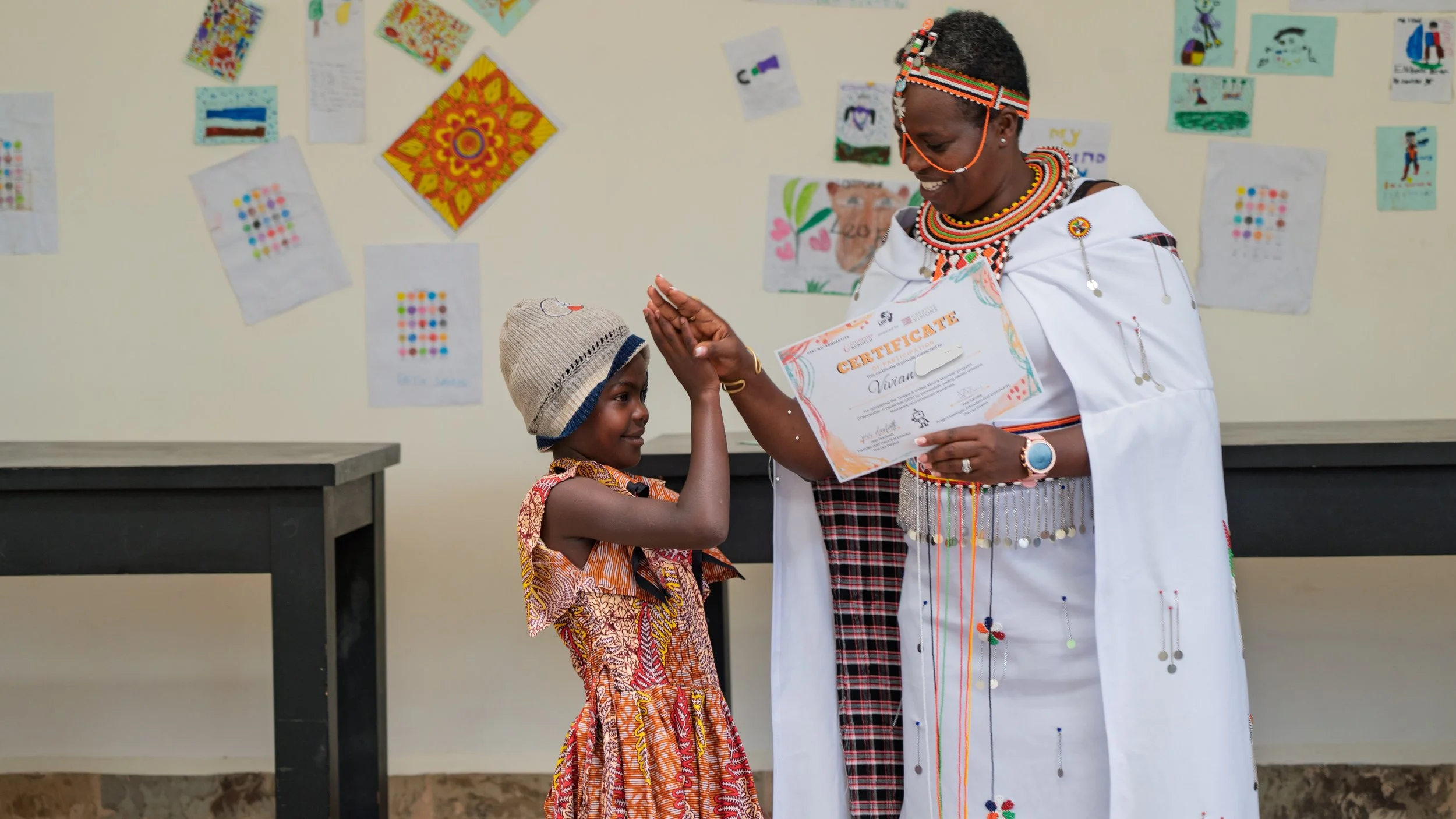
Vivian on the final day of Mind + Machine receiving her certificate from the local MP
About a week in, something shifted. Vivian began laughing with the other kids, answering questions, and soon was taking the lead coding her team's robot and helping others troubleshoot issues. By the final showcase day, she stood confidently in front of a room full of parents, teachers, and community leaders, introducing her team and explaining how their robot worked.
Vivian’s story is similar to so many of the transformations we saw as part of the Mind + Machine program which took place over 5 weeks in November and December 2025. Seventeen students ages 9 to 13 from rural villages in Laikipia County, Kenya gathered each day around laptops and LEGO robotics kits. For many, it was the first time they had ever touched a computer or a robot.
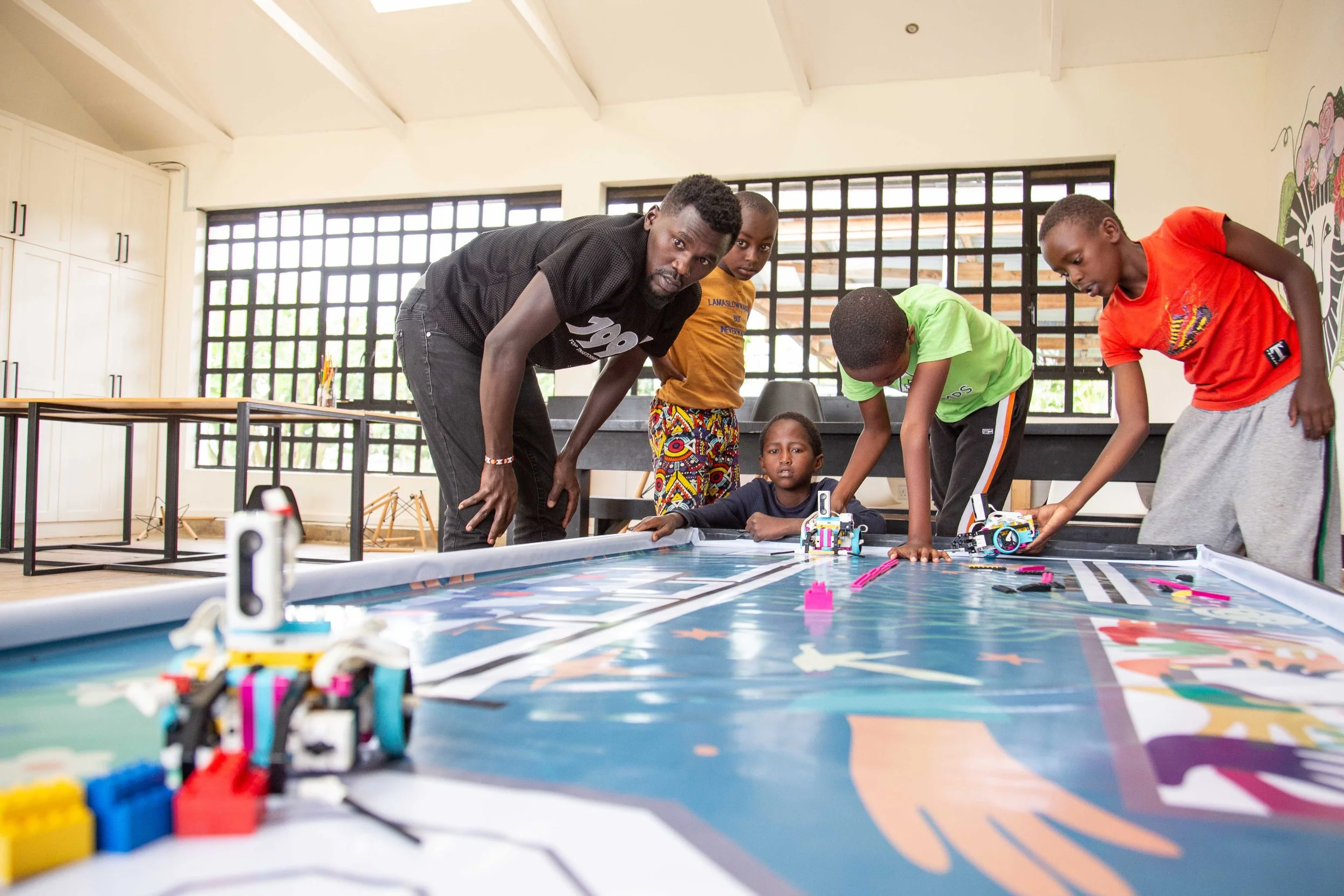
Francis watching as students test their robots.
Francis Macharia, who co-led the program and teaches TLP’s digital literacy programs, knows this community well, "For this location, it's not a normal thing for the kids to be around tech. So, I was shocked to see what they created by the end of the program. Because they didn't just build robots, they built innovation, curiosity, and confidence."
Joe Washington, another co-lead of the program who helped design the curriculum and leads TLP’s IT department, reflected, "When young people are trusted with real tools, real responsibility and room to think for themselves, they don’t wait to be told what to do, they build, explain, question, and own their ideas.”
The Mind + Machine program was designed and delivered by The Leo Project, and made possible with support from the Students Rebuild program run by Creative Visions. Mind + Machine pairs hands-on robotics with social-emotional learning, helping children develop the technical and human skills they need to thrive in today’s world. Throughout the program, technology and emotional learning are intentionally intertwined. Students create artwork reflecting their strengths, fears, and sense of safety. Team flags, self-portraits, and drawings lined the classroom walls, reinforcing that creativity and emotional expression belong alongside technology, and learning digital tools can be explored in ways that build community, not further isolation.
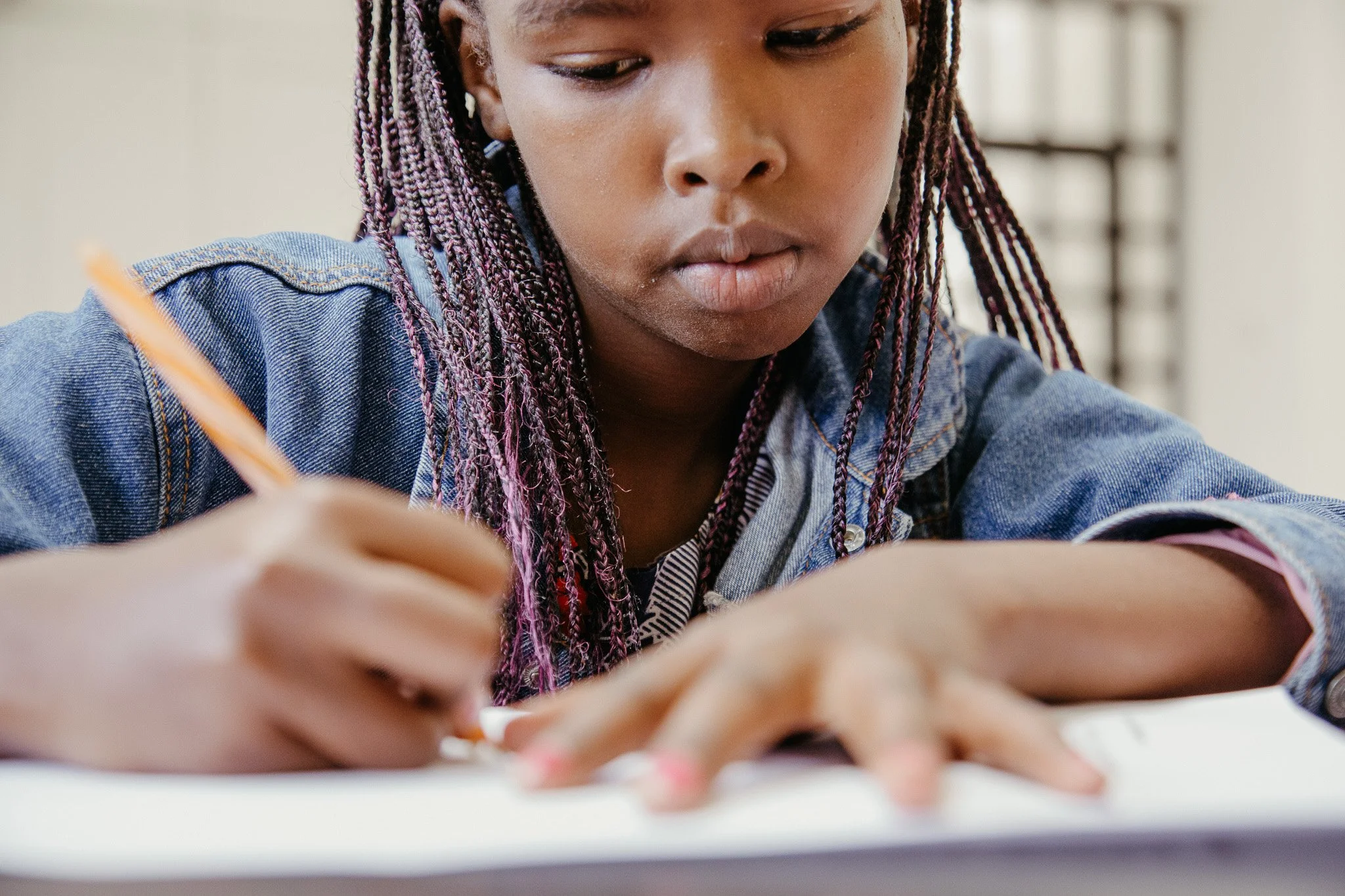
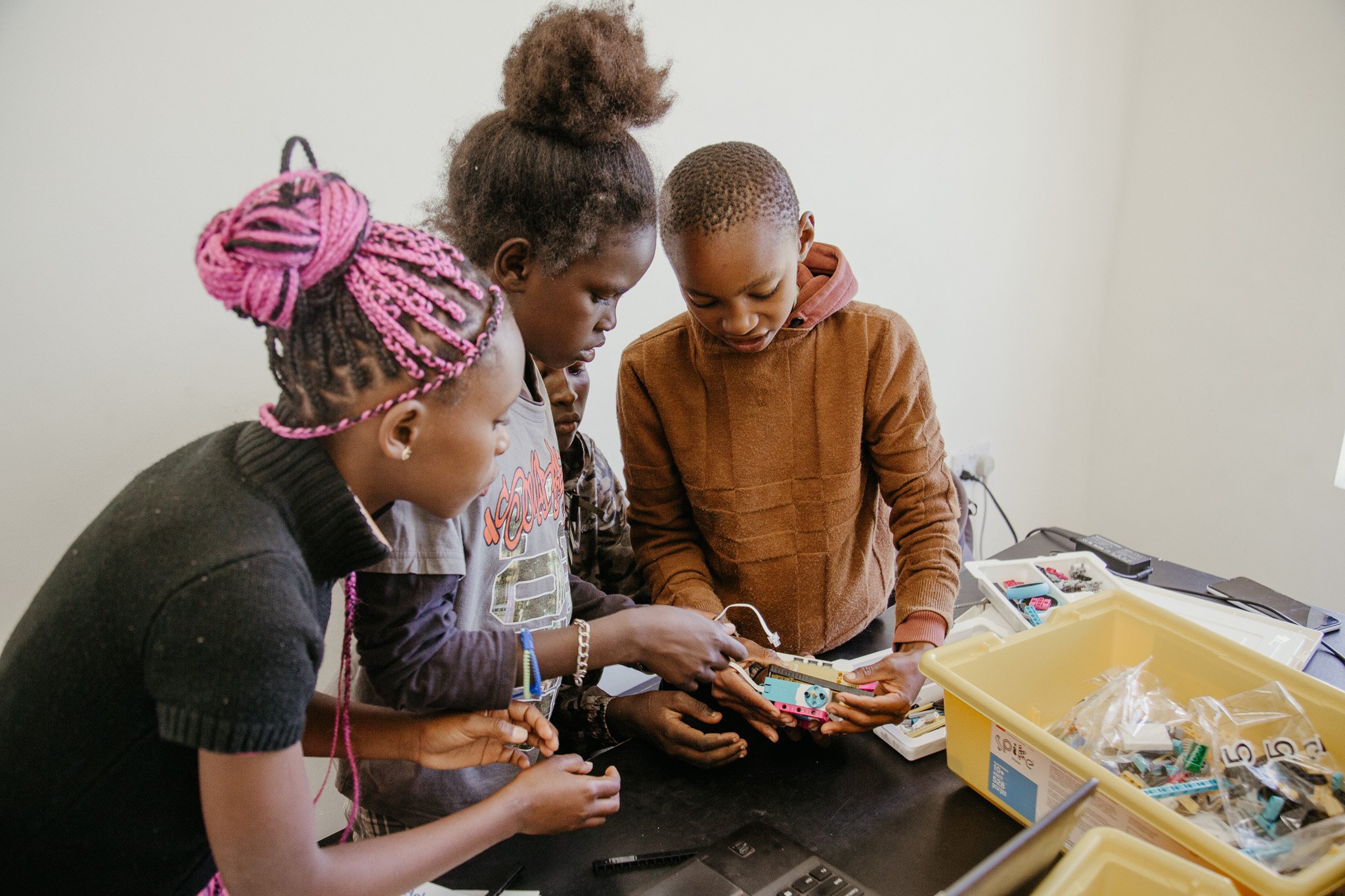
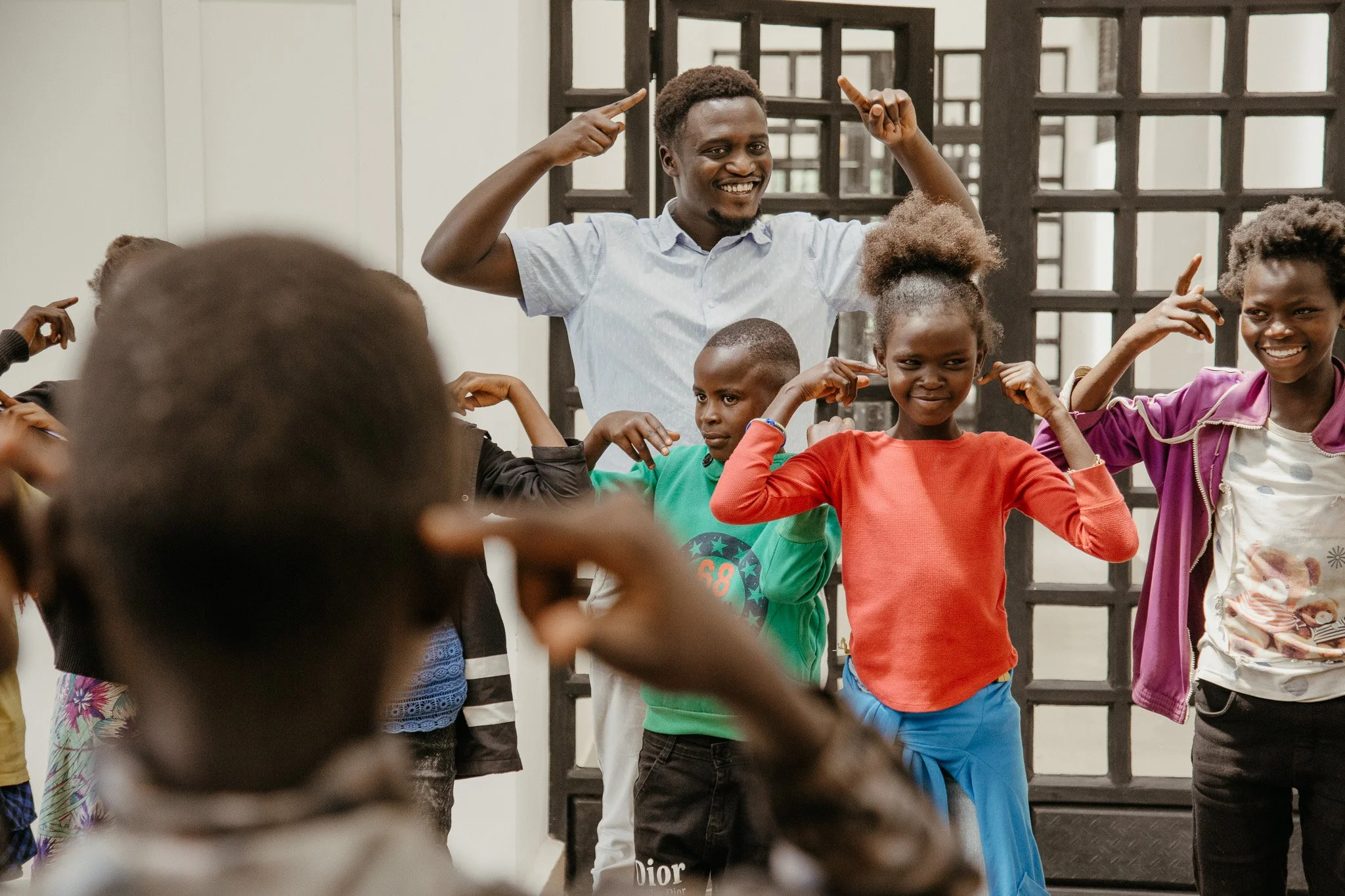
The results were striking. Before the program, only 25 percent of students had ever seen a robot, 8 percent said they knew how to build one, and none could code or troubleshoot. By the end, 100 percent could build, program, and troubleshoot a robot. Understanding of what makes them unique rose from 63 to 94 percent. Students willing to try again when something felt hard went from 67 to 100 percent. Those who said they worked better as part of a team went from 71 to 100 percent.
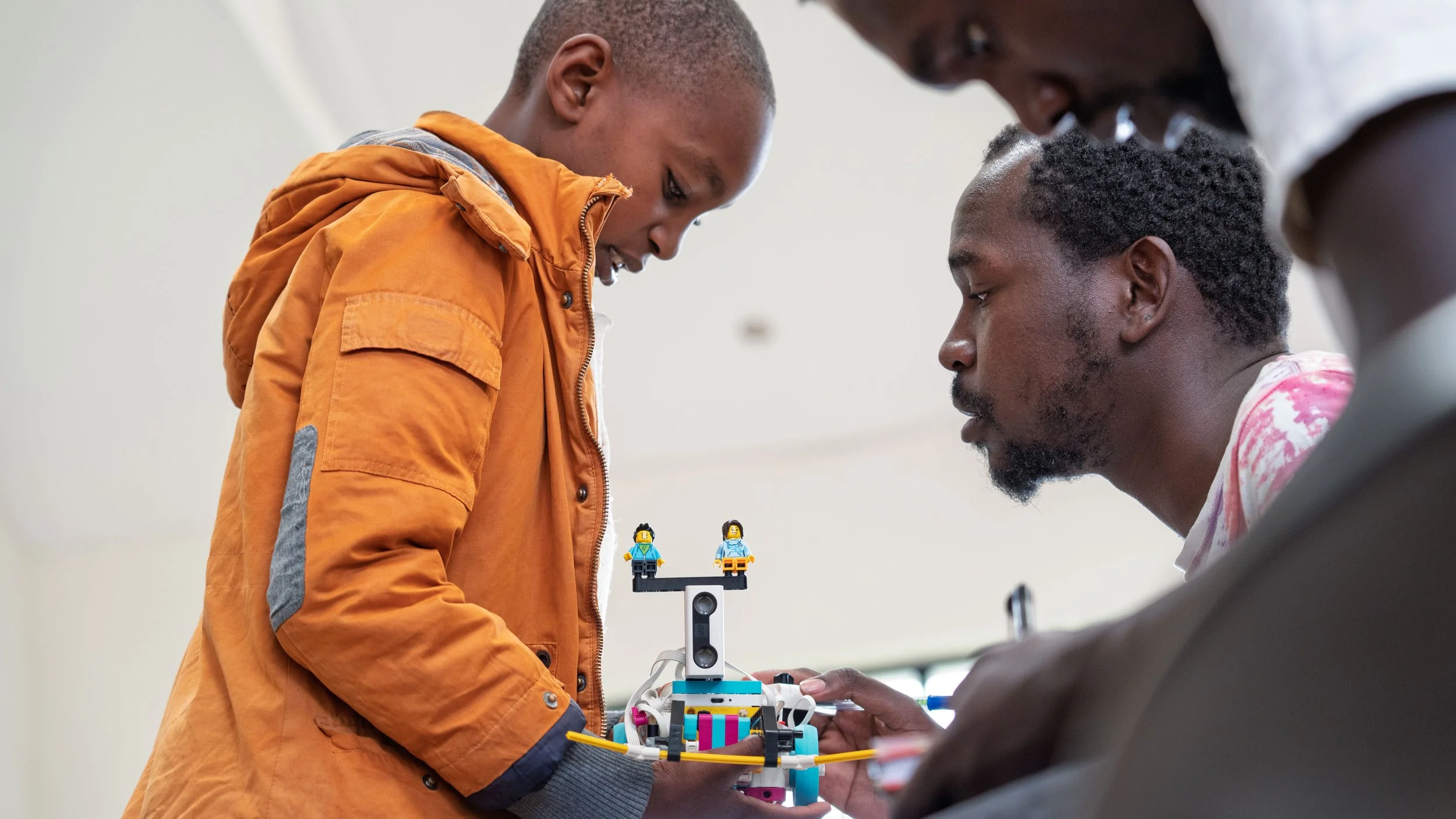
Joe assisting a student with his robot.
The program culminated with a community showcase where teams demonstrated robots coded to complete missions representing friendship, balance, and perseverance. And, the students’ artwork decorated the walls. Each student brought family members, and the MP for North Laikipia County even attended, having heard about the program. Francis called it one of the best days he’s had: "Seeing the kids enjoy what they’ve done, not afraid to fail and try again, that is what I loved the most.”
With support from Students Rebuild, The Leo Project will host another Mind + Machine cohort during the April school break, expanding access to robotics and mental health education to more students.
All images used with consent of children and childen’s guardians.
To support the expansion of Mind + Machine, or The Leo Project’s work more broadly,
please consider making a donation.