
Why Every Pregnancy Requires Clinical Care
We met Agnes, a 47 year old woman, just hours after she had delivered her eleventh baby. Her previous ten births had all taken place at home, and all of those children are healthy and thriving. For Agnes, motherhood has always been central to her identity. “Pregnancy felt meaningful to me,” she explained. “I enjoyed being pregnant.”
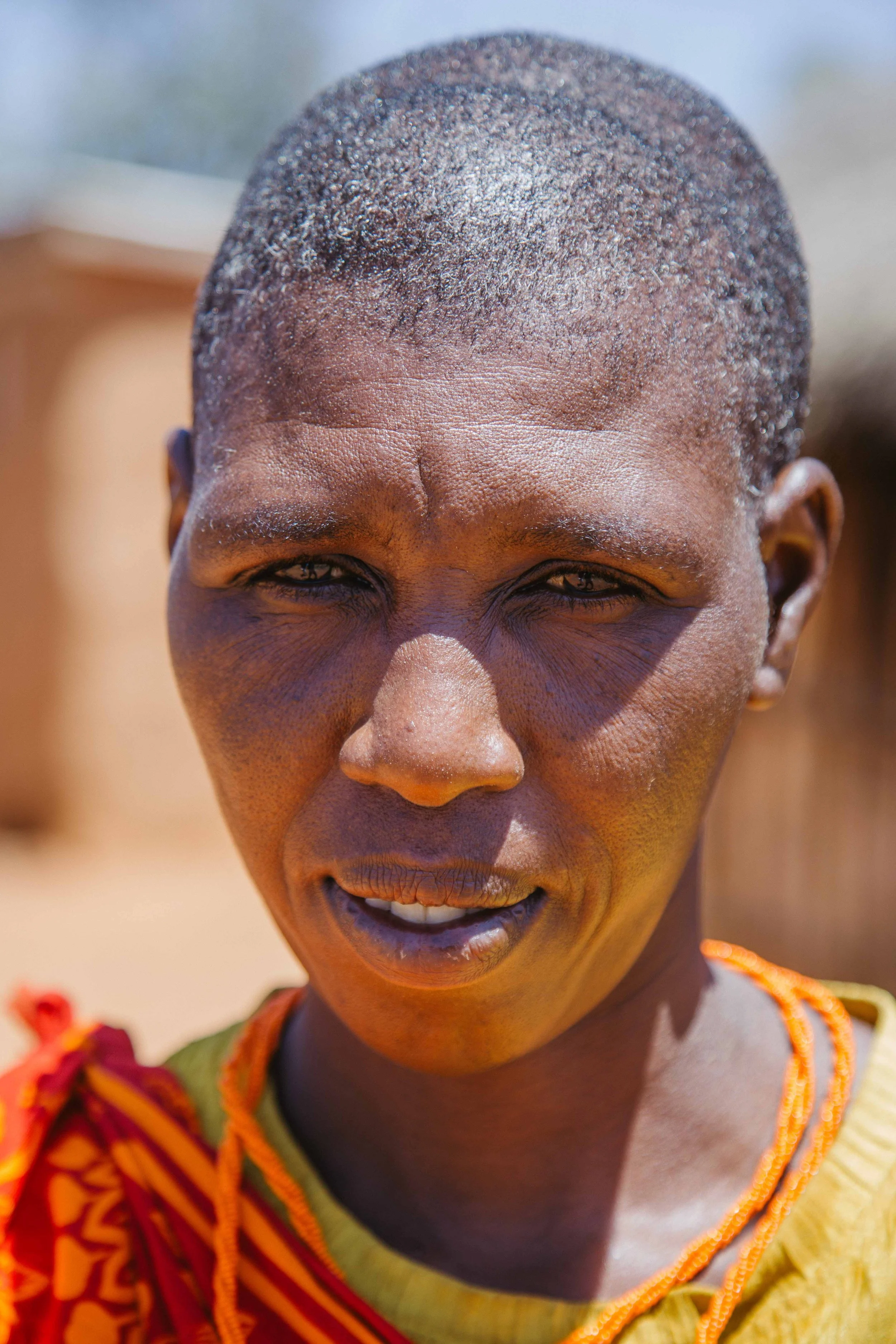
Agnes
In Agnes’s community, women traditionally give birth at home with the help of traditional birth companions (TBCs). There are no inpatient maternity services nearby, and transportation to the nearest hospital is difficult and often unreliable. Because of this, home delivery is not only common, it is preferred. At The Caitlin O’Hara Community Health Clinic, approximately 35 to 45 percent of the women we see deliver at home for the same reasons Agnes did.
“When you have a safe home delivery, the rest tend to come easy and you get used to it,” she told us.
For Agnes, pregnancy was familiar and not something to fear. It was something she understood. Every previous birth had gone well, and she trusted that this one would, too. She had heard that The Leo Project offered ultrasounds, but she did not think she needed one - her previous pregnancies had been fine.
Her labor began before dawn. The traditional birth attendant arrived and the delivery moved quickly. But then, the room fell silent. When Agnes looked down, she saw what no mother is prepared to see. Her baby was born with omphalocele, a rare congenital abnormality in which a baby's abdominal organs develop outside their belly. The routine ultrasound TLP provides at our health clinic, using the Butterfly point-of-care ultrasound, would have caught this birth defect, and a plan for safe delivery and surgery for the baby following birth could have been arranged.
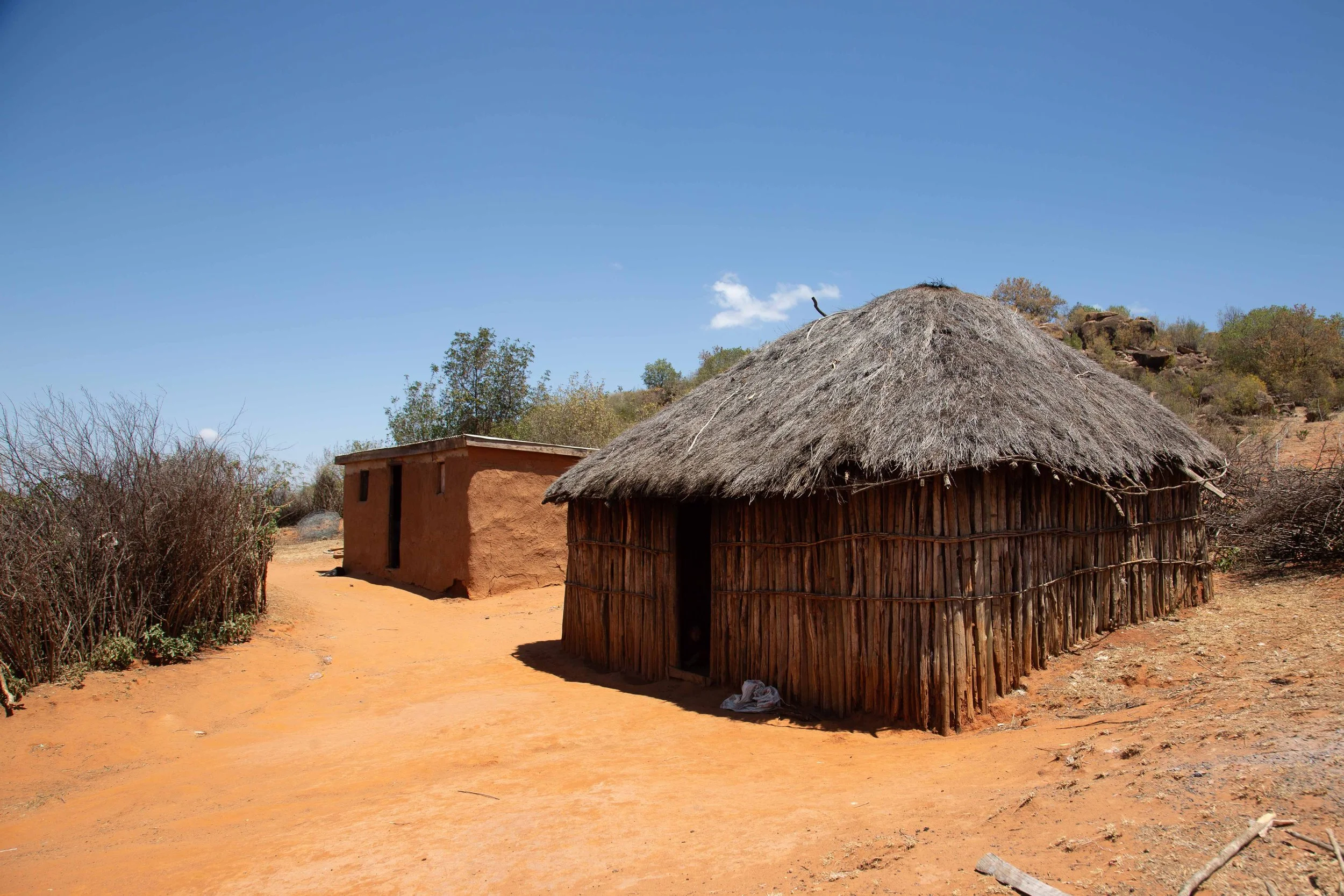
Agnes’s Homestead
The baby did not survive long after delivery. There was no time to grieve. The placenta was stuck, and severe blood loss was a real danger. Help was needed urgently, but network coverage in Agnes’s village is poor, so her husband climbed a hill to make a call. When he reached the top, he called TLP’s clinic and our ambulance was dispatched to Agnes’s home. Agnes later told us that, “the fact that you came was the most respectful thing I have seen. Not many facilities would bother to come.” This statement highlights a hard reality: accessible, reliable access to healthcare is not the norm for so many people.
In addition to supporting Agnes’s physical needs, our healthworkers offered her mental health support. They explained to Agnes that this loss was going to cause grief and that she might need to or want to talk to someone, which she could do at our clinic. Traditionally in Agnes’s culture, loss like the one she experiences is not spoken of; rather, a cleansing ceremony is performed and little is mentioned again.
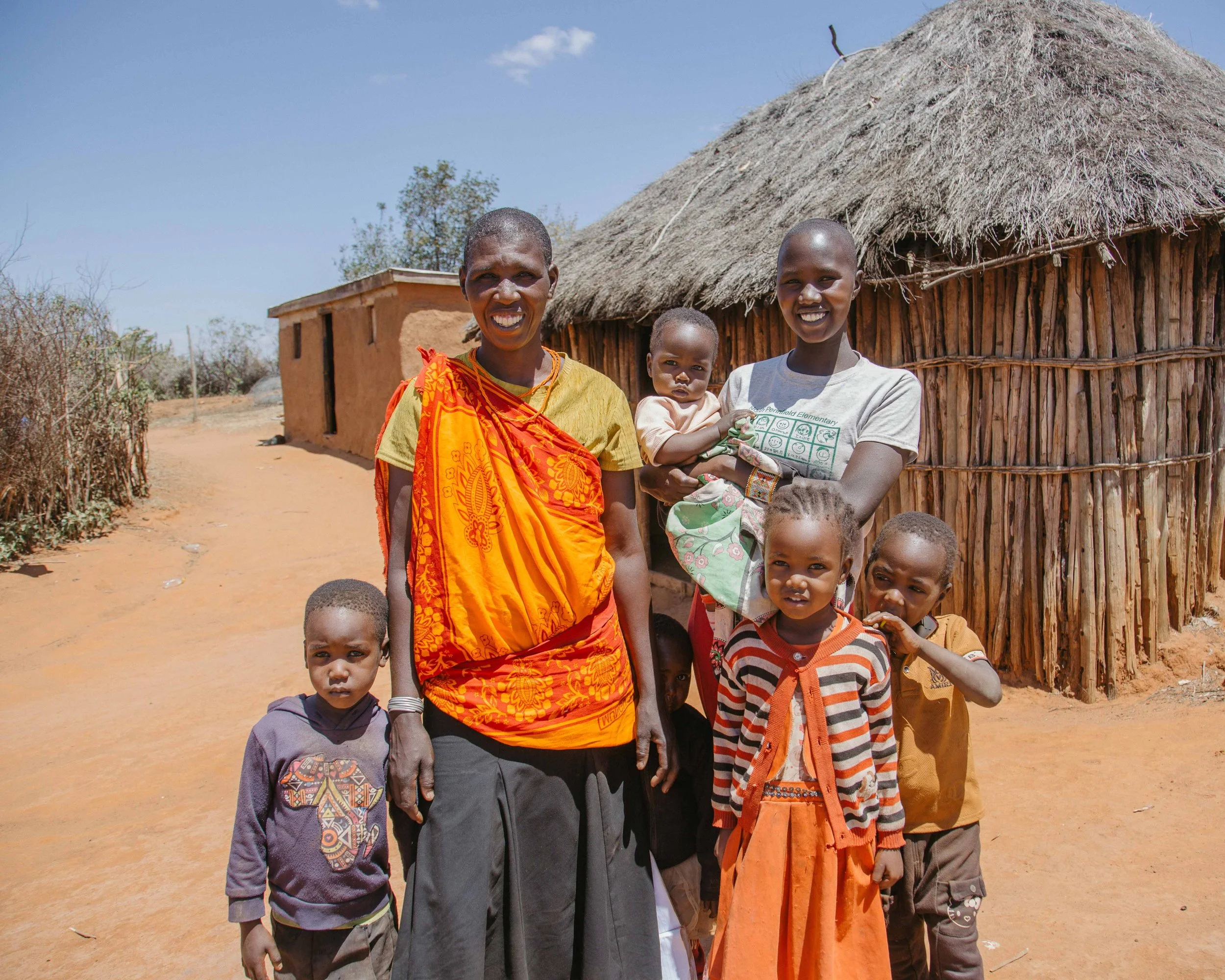
Agnes with several of her children and grandchildren
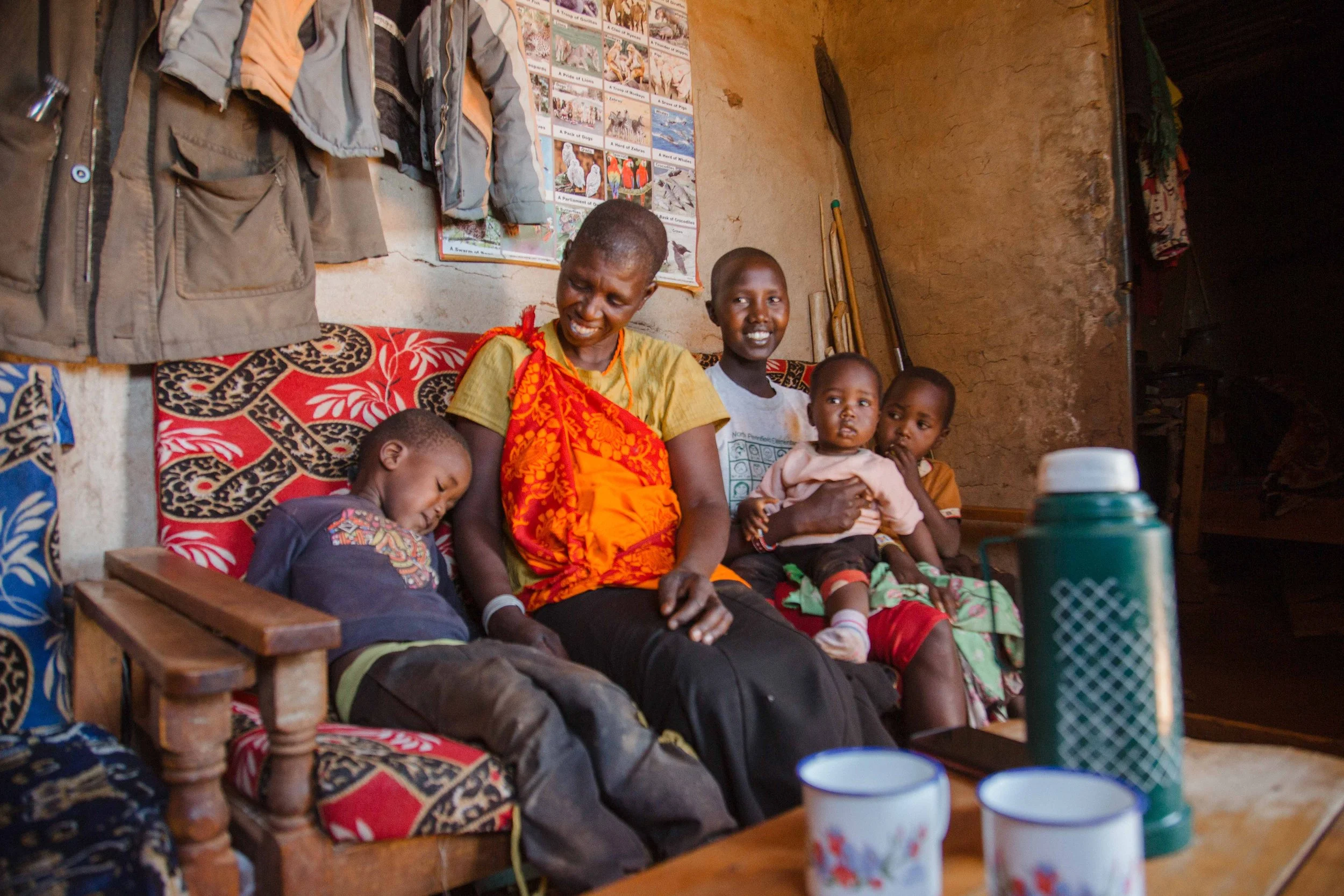
Agenes at home with family members
When we returned to speak to Agnes, she had a message she wanted to share with other women: “You can have many pregnancies that go well and still face one that takes everything. Experience does not protect you. Hope alone is not enough.”
Stories like Agnes’s are all too common, and often not shared. In rural Laikipia County, Kenya, where TLP operates The Caitlin O’Hara Community Health Clinic, access to safe maternal, newborn, and child healthcare (MNCH) is out of reach for so many families. We work closely with the county government to change this reality. By offering comprehensive MNCH care at our clinic, delivering TBC training programs, and connecting with hard-to-reach populations through our medical outreach events, we are closing this life-threatening healthcare access gap.
Agnes’s words are her own and her story and these images are shared with full consent.
To support The Leo Project and our work providing maternal health care, please consider making a donation today.