Strengthening the Front Line of Maternal and Newborn Health
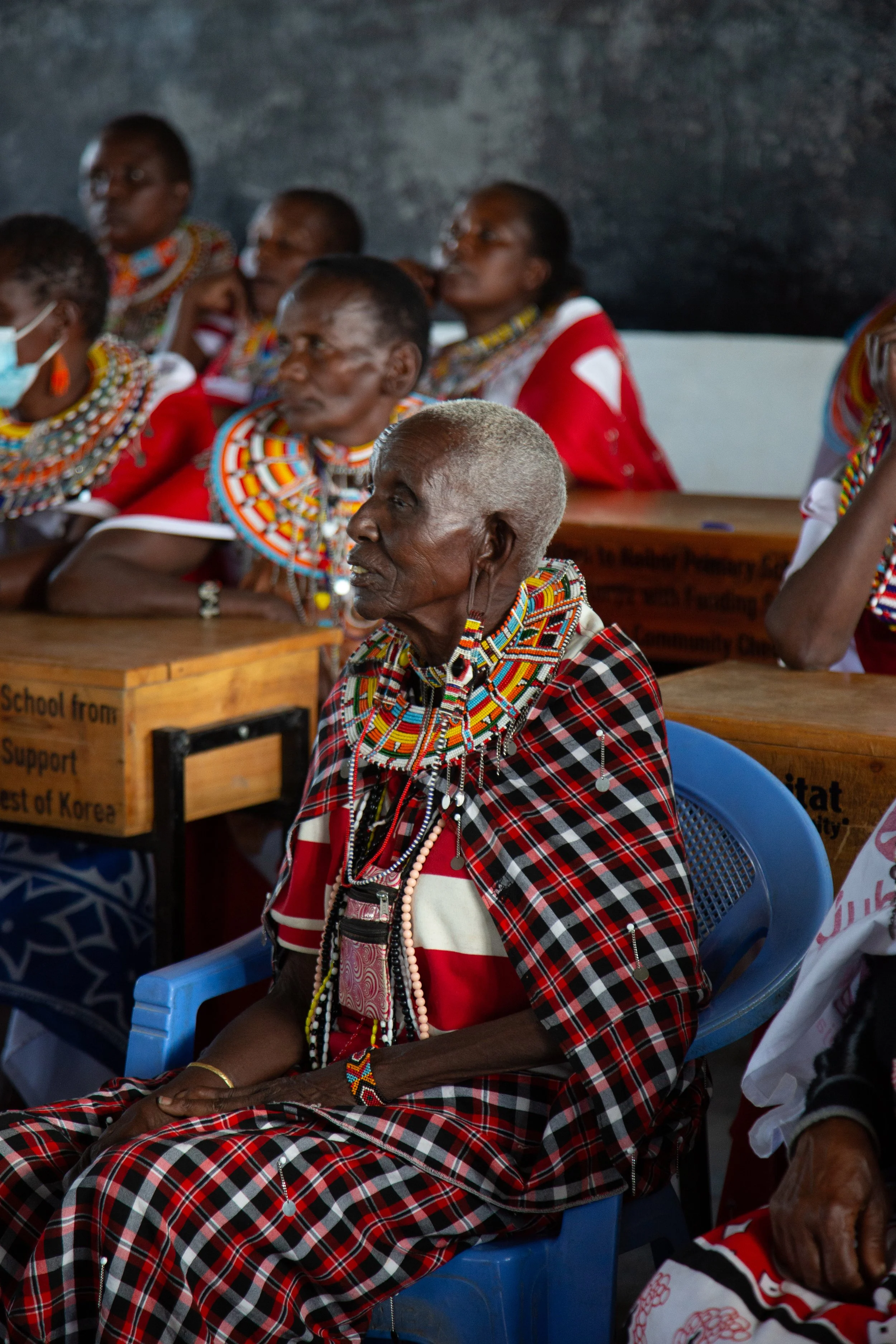
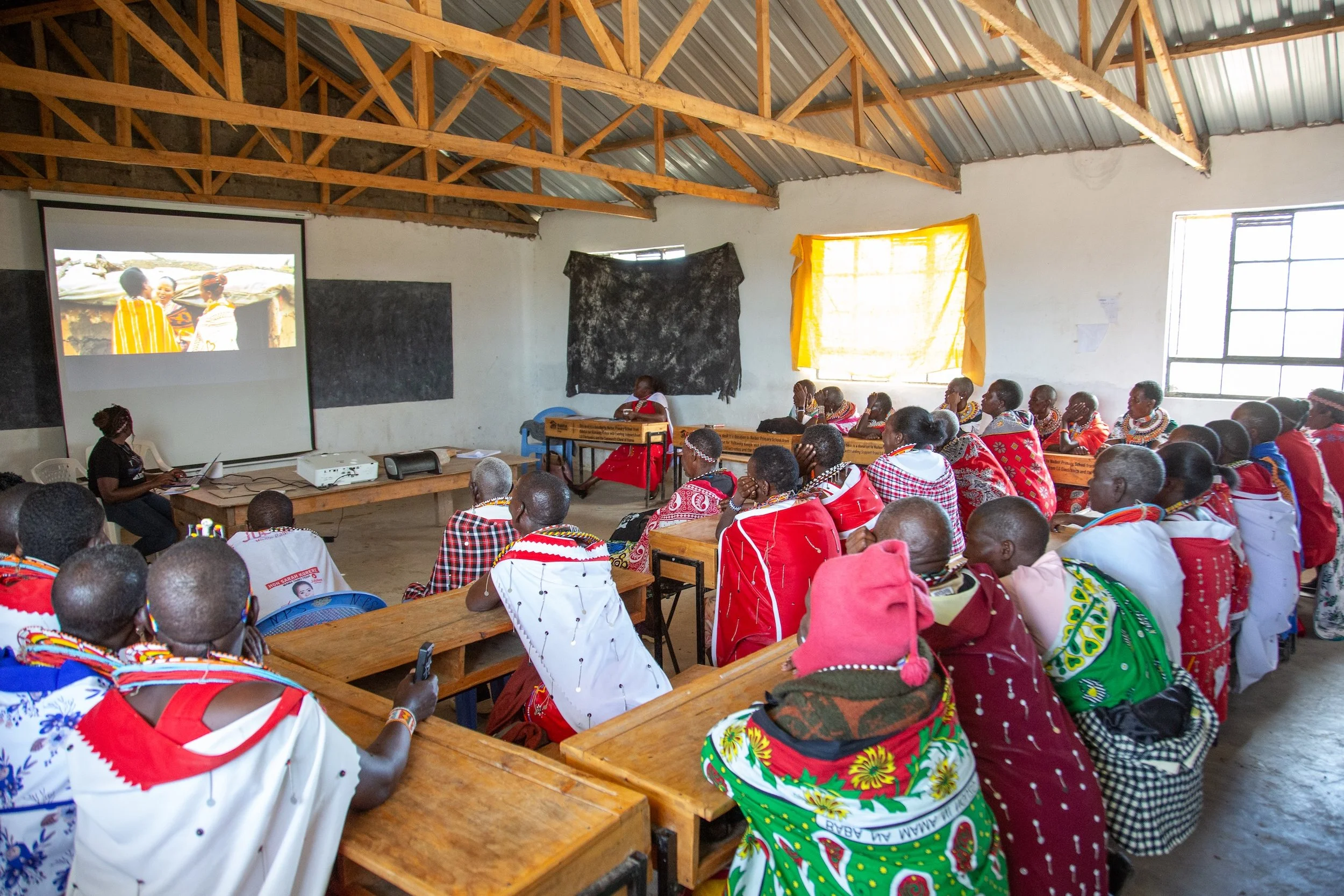
In the first week of December, 19 women gathered in a schoolroom in Naibor, a rural village in northern Kenya. Most were in their 50s and 60s. All had decades of experience supporting women through pregnancy and childbirth, assisting dozens of mothers each year, often as the only source of care available.
These women are known as Traditional Birth Companions (TBCs). They are deeply trusted, highly respected, and woven into the fabric of community life. For many families, they are the first—and sometimes only—place to turn during pregnancy and childbirth. They encourage women to attend antenatal visits, help ensure newborns and children receive regular check-ups, and often play a decisive role in whether a pregnant woman reaches a clinic in time.
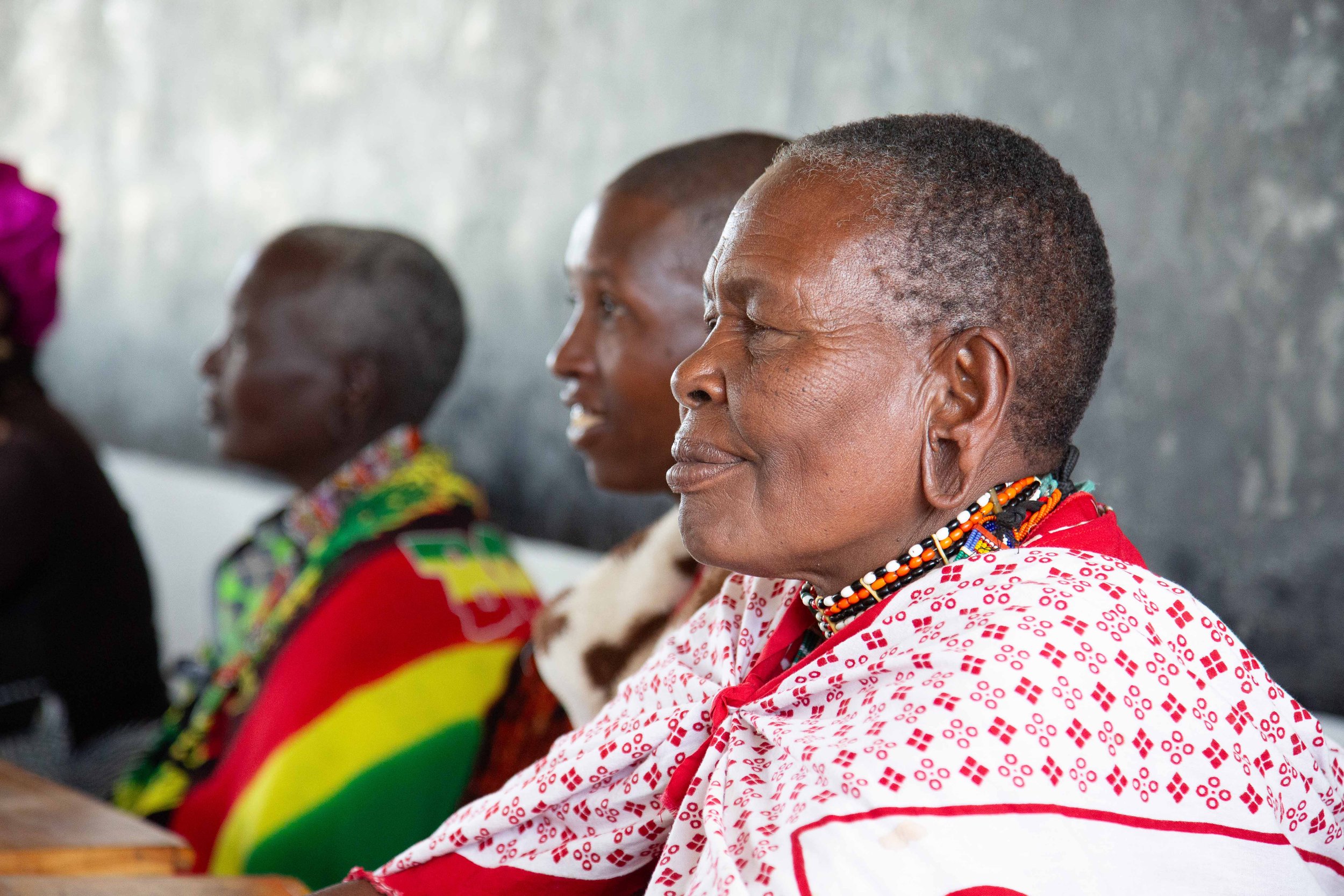
And yet, despite their experience and the essential role they play, most of the women in this schoolroom had never received formal training for this work. Their knowledge has been passed down through observation and tradition, not always aligned with modern, lifesaving practices for women and newborns.
To support TBCs and improve health outcomes for women and children in this region, The Leo Project (TLP) runs an annual training program in partnership with the local ministry of health designed to build on what TBCs already know, strengthen best practices in pregnancy and labor care, improve identification of complications, and encourage timely referrals to health facilities for childbirth.
Confidence That Changes Outcomes
Before the training, nearly half of TBCs said they did not feel confident managing birth complications. Afterward, every single TBC reported feeling confident.
This shift matters. Confidence helps TBCs recognize danger signs early, act quickly, and reach out for support rather than trying to manage complications alone.
Referral practices changed, too. Before the training, nearly one-third of TBCs shared that they would handle complications independently. After the training, none said they would continue in this way. Nearly 80 percent reported they would refer women directly to a health facility, while the remainder said they would call another trained companion for support.
Stronger Maternal and Newborn Care
The training strengthened consistency in maternal and newborn care. Recognition of life-threatening danger signs such as prolonged labor and convulsions increased, closing gaps that can delay emergency care.
One of the most transformative elements of the training was the integration of mental health into maternal care. This work, and its inclusion in our TBC training program, is supported by the Stavros Niarchos Foundation (SNF), which has partnered with us on our maternal mental health and newborn thriving program. SNF’s support supplemented the direct donations made by individual donors who have helped make this program possible.
The Power of Storytelling
The screening of the film Sarah created space for reflection and difficult conversations about Female Genital Mutilation (FGM). The film was shown on the final day of the training, with members of the 2024 TBC cohort invited to join.
Many TBCs described FGM as something done simply because it had always been done. The film prompted open, non-judgmental discussions about the purpose and impact of the practice. Several participants stated clearly that while FGM had shaped their past, it would not define the future. One TBC said she would no longer allow her grandchildren to endure “a tradition that causes only pain.”
Why This Program Works
Our first cohort of trained TBCs from December 2024 has already helped increase antenatal visits and facility-based deliveries. This new cohort is well positioned to do the same, and we are excited to build on this momentum.
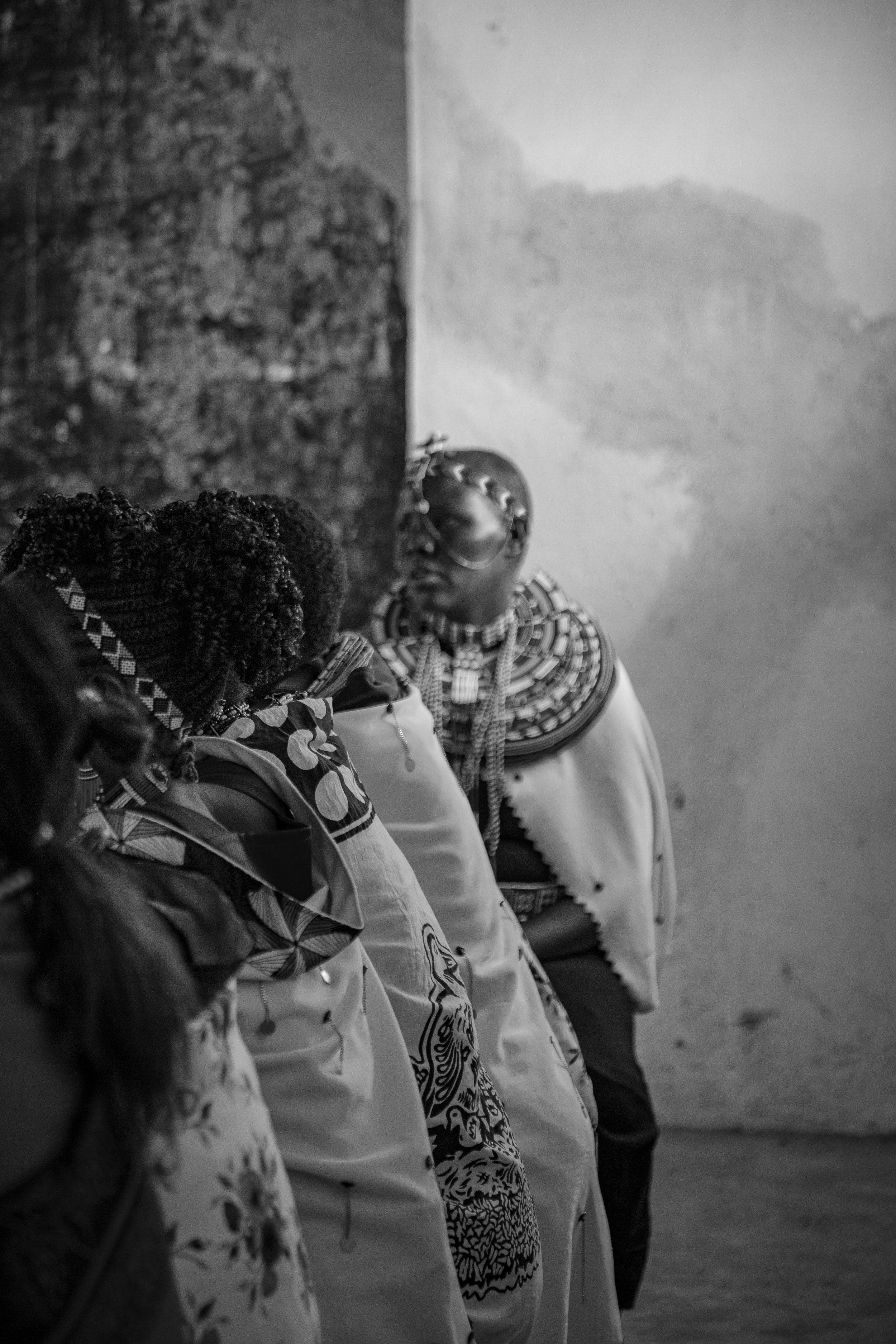
In 2026, we hope to offer refresher and topic-specific trainings to all 38 TLP-trained TBCs, while training an additional 20 women in our next annual cohort in December.
When women who are already trusted are given accurate information, practical skills, and the confidence to act, the impact extends far beyond a single birth. It reaches families, communities, and future generations.
This is the power of investing in women who already stand at the center of care—and supporting them to save lives.
To support our TBC training efforts in 2026, you can make a donation.
When donating, select “Traditional Birth Companion Program” in the “Please direct my support” drop-down menu.