In the Heart of Laikipia, Healthcare is More than Medicine
From the onset, The Leo Project (TLP) was founded on the belief that one’s right to healthcare should never be limited by their place of birth. Located in Laikipia County, an area home to more than 560,000 people living across grasslands, semi-arid plains, conservancies, and rural settlements, TLP provides health services and programs that were previously difficult to access. Between its two urban centers of Nanyuki and Nyahururu, Laikipia primarily encompasses thousands of square kilometers of semi-arid, rural lands, where 75% of the population lives. The communities that TLP works with are spread throughout this landscape, with an immediate catchment area of approximately 150,000 people.
Though widely spread, the population of Laikipia County is deeply interconnected, rooted in tradition, and culturally diverse. It is made up of over 23 ethnic groups, including the Samburu, Maasai, Turkana, Borana, Rendille, Somali, Kikuyu, and Meru peoples. Swahili is widely spoken, but each group carries its own language, traditions, and cultural identity. Many families are pastoralists, moving seasonally with livestock in search of water and grazing land, particularly during drought periods.
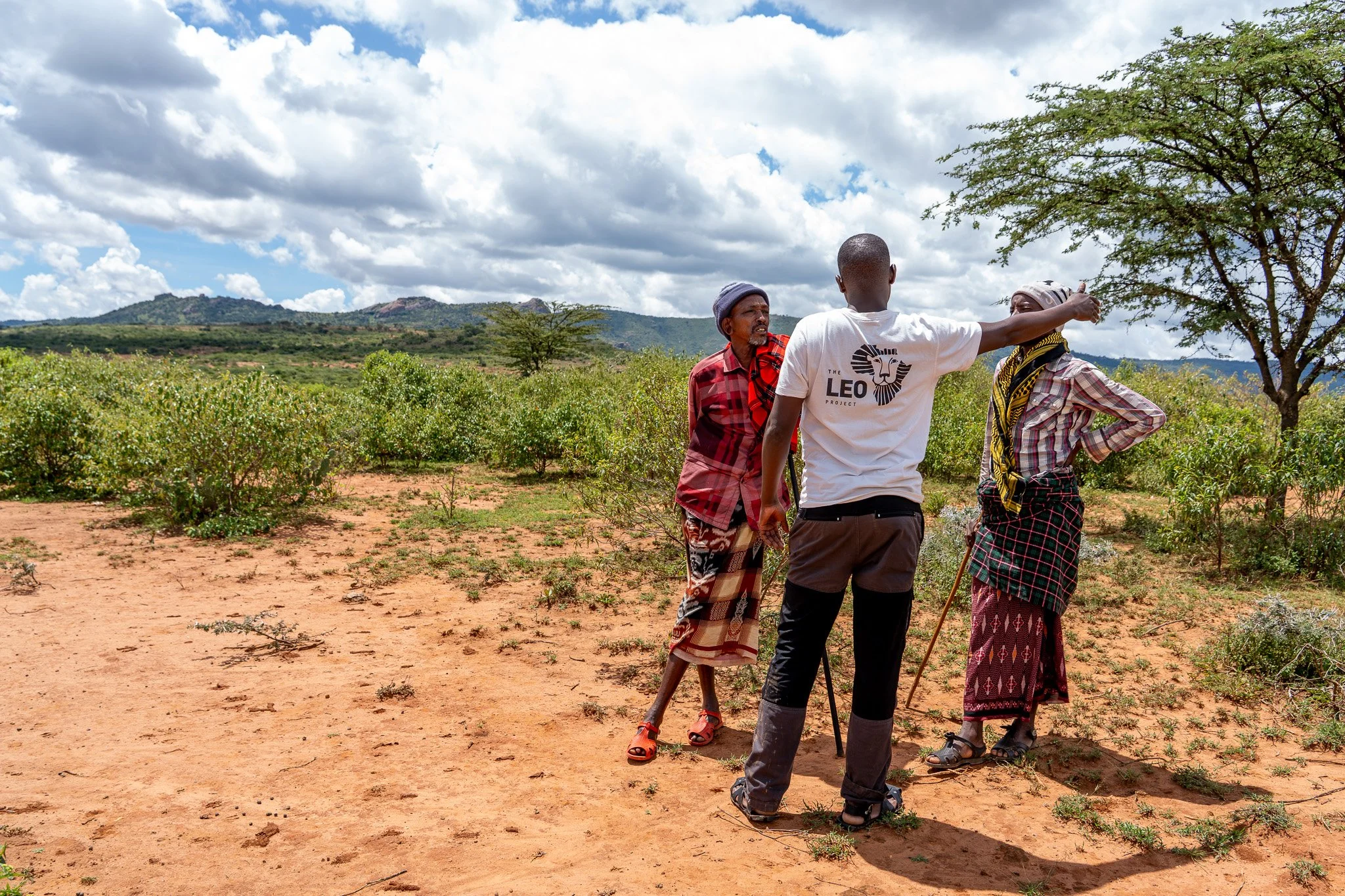
Shadrack with community members
As TLP Community Liaison Officer Shadrack Noah Kuraru shares, “these are the people who move from place to place, return during rains, and don’t look like any other community from day to day.” Because of this mobility, life in Laikipia varies greatly. During dry seasons, men may leave with livestock for several months while women remain at home caring for children and managing households. This regular movement, paired with seasonally limited resources and income, makes consistent access to healthcare especially difficult.
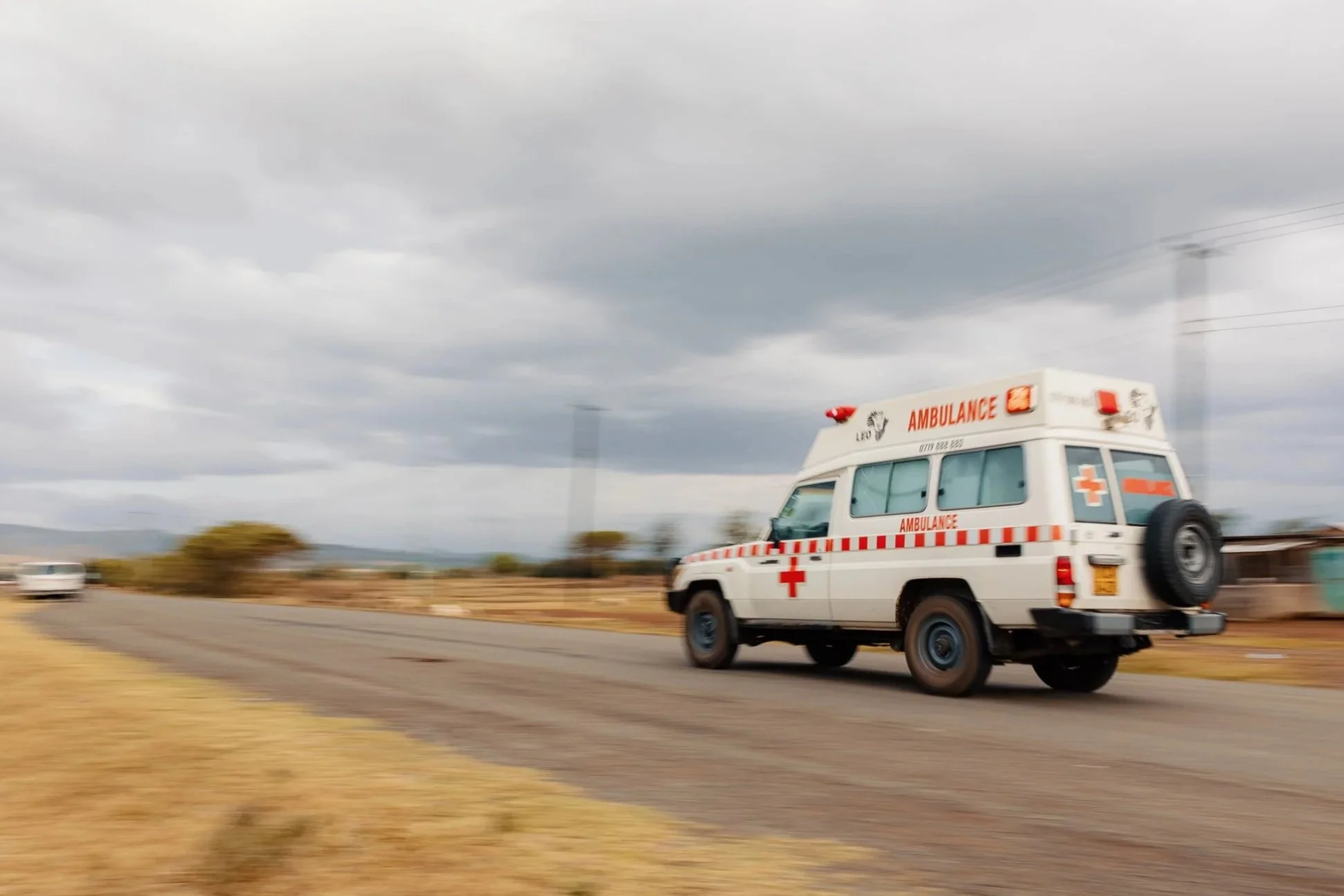
TLP’s ambulance
For many, simply reaching health services requires traveling long distances. Some community members walk up to 20 kilometers to reach basic healthcare facilities, often along rough roads that become dangerous or untraversable at nighttime and during rains. Due to primarily pastoral lifestyles, vehicles are either unavailable or too costly for most. To mitigate the issue in emergency situations, TLP introduced ambulatory services in late 2023, and currently provides the only emergency vehicle in the catchment area.
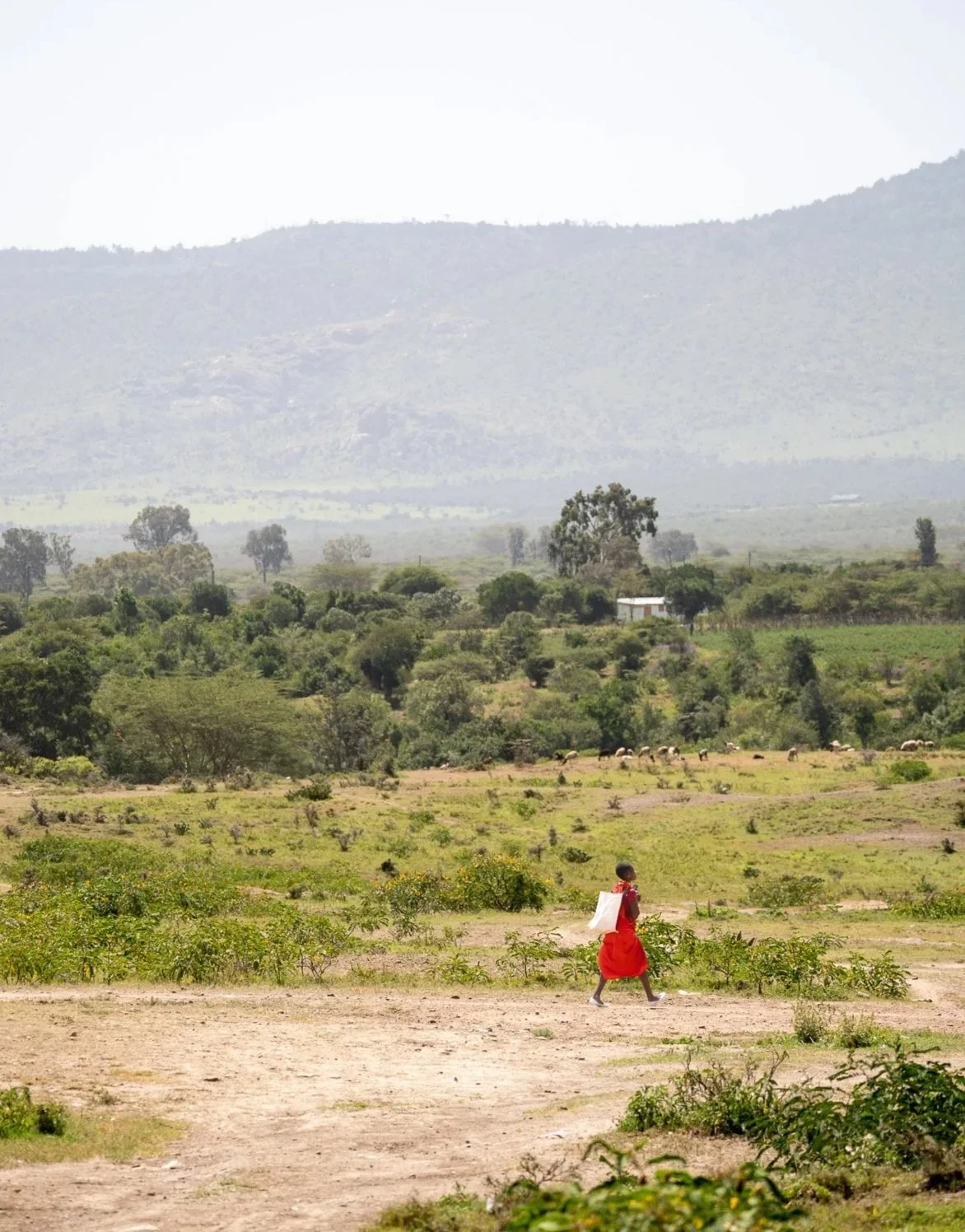
A woman walks in Jua Kali, where TLP is located
Historically, access to healthcare in these areas has been limited not only by distance, but by a lack of education and awareness. Without the knowledge that many of their ailments were treatable, community members were suffering in silence, bound by a culture of privacy and secrecy around personal issues. Through trusted networks of elders, church leaders, chiefs, Community Health Promoters, and Nyumba Kumi (community networks) representatives, TLP has been able to connect with individuals and communities previously opposed or unconnected to clinical services.
Composed of both local and international professionals, the TLP team leverages lived and learned experience to provide the best possible care to the community. Shadrack, who lives in a small village near TLP called Facebook, says “the best way to earn trust is first to listen and understand. You have to show you are also feeling their feelings and you walk that journey with that person.” Over the past three years, through outreach and daily operations, TLP has done just that.
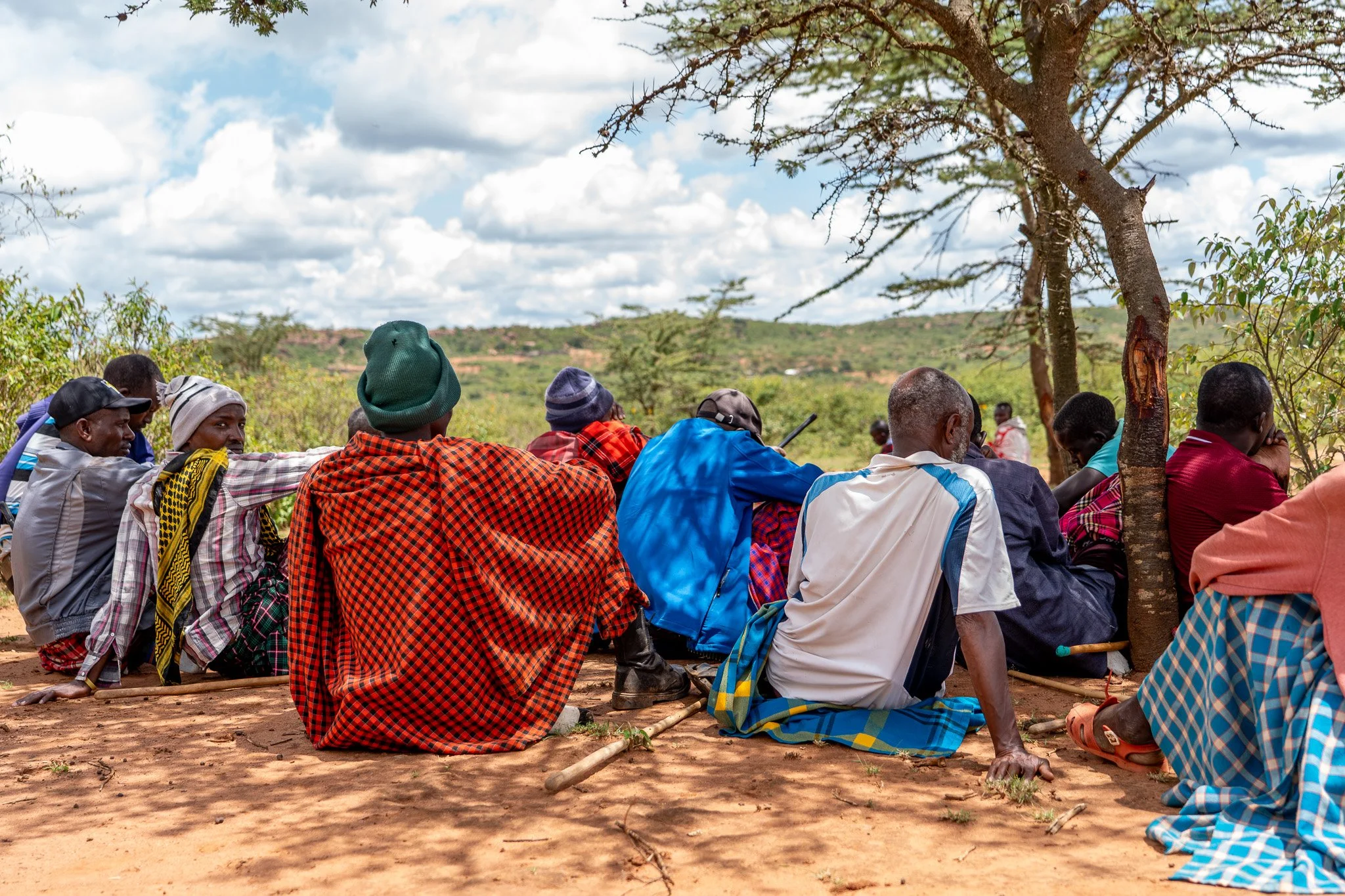
Community members gather near The Leo Project
One of the community’s biggest strengths is their involvement in decision making. Over the years, the community has shared their major health concerns: maternal and child wellbeing, nutrition, and stress. In response, The Leo Project has strengthened existing health services and established educational sessions to meet the community exactly where they are. From an influx of patients opening up in psychology appointments to expectant parents learning and sharing concerns in our resource center, we’ve seen major improvements in willingness to seek care.
In this region of Laikipia County, healthcare is about more than providing medicine or treatment; it takes a commitment to understanding people’s lives and needs so that communities feel seen, respected, and supported.
To support The Leo Project, you can make a donation here.